

New vs used mezzanines: an honest buyer's comparison
Used mezzanines sell for 40–60% off retail — sometimes more — but arrive without engineering, without warranty, and sized for someone else's building. When used genuinely wins, and when it costs more than new.
Editorial
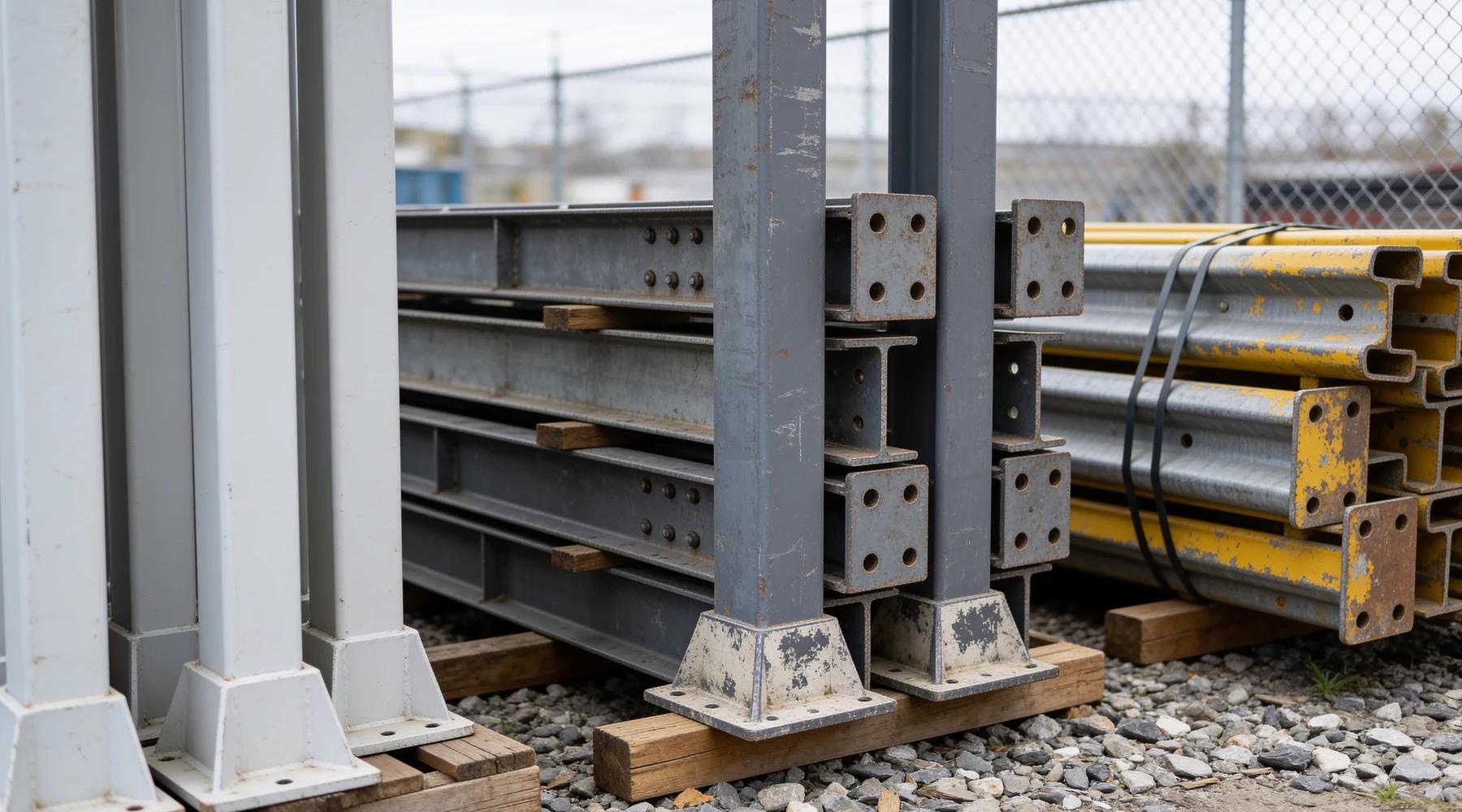
The used-mezzanine pitch is simple: the same steel at half the price, available now. The pitch is real — published dealer figures run 40–60% off retail, with used structural decks listed around $25–30 per square foot — and so are the asterisks: no engineering, no warranty, and a column grid designed for someone else's building. Here's the honest comparison, with every number sourced.
How much does used actually save?
Sticker price: a lot. Published claims span 40–80% off new. American Surplus — the largest used dealer — advertises 40–60% off retail; Warehouse1 claims up to 80% versus new. Real listed prices back the direction: East Coast Storage Equipment publishes used structural mezzanines at $25–30 per square foot, against ~$70 per square foot typical for new ($50–150 range — our full pricing guide).
But sticker price isn't project price. The used unit arrives without the things a new quote includes:
| Line item | New | Used |
|---|---|---|
| Engineering / stamped drawings | Included (approval plans standard) | Extra — $1,500–2,500 average |
| Fit to your building | Designed for it | As-built for someone else — misaligned columns "can cause major headaches" |
| Warranty | Manufacturer-backed (see below) | Typically none published — inspection before shipment and condition grades |
| Slab check | Part of the design conversation | Explicitly excluded — "We do not determine if the existing slab can carry the loads" |
| Modifications & freight | In the quote | On you — compare total relocation cost against new before committing |
What are the real risks of buying used?
Three published ones: fit, condition, and code.
- Fit. A mezzanine is engineered as a system — the column grid, bracing, and stairs were laid out for the original building. Speedrack West's relocation guidance is blunt: verify the columns work with the new building's layout, and only modular free-standing designs relocate easily.
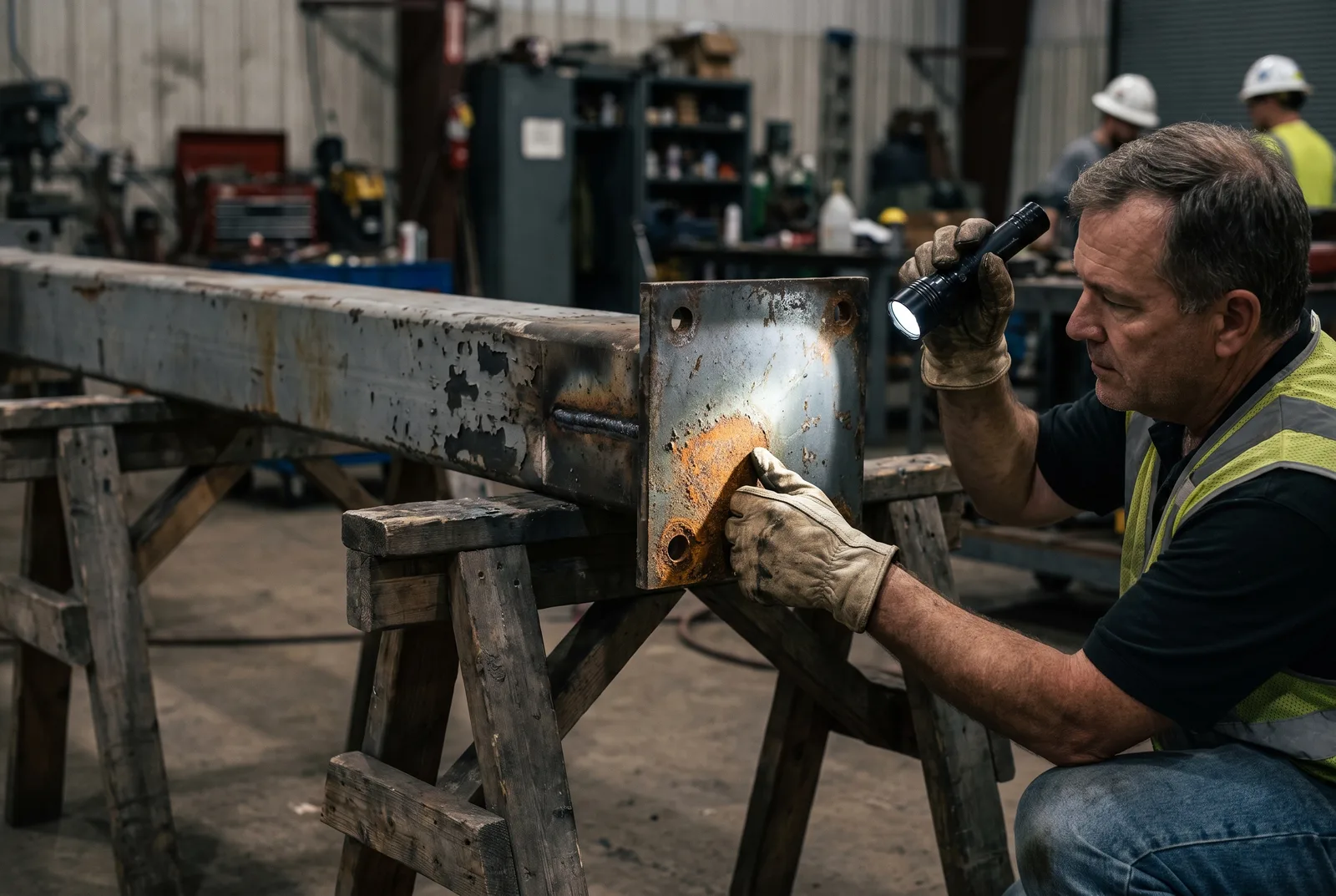
- Condition. Inspect for excessive wear, rust, or damage — including damage from the disassembly itself. Reputable dealers grade condition and inspect before shipping; the engineer's stamp is what turns "looks fine" into a confirmed PSF rating.
- Code. The permit clock doesn't care about the steel's age: permits are commonly required for used installs, seismic regions almost always require them, and moving to a higher seismic zone can trigger fresh engineering. The full permit process applies either way — and your slab still needs checking, which used dealers explicitly don't do.
What does new buy you?
Engineering for your building, a warranty, and a design that fits the operation instead of the other way around. A new mezzanine is specced to your loads, your column-grid and aisle plan, your slab, and your code jurisdiction — with stamped drawings in the package. On warranties: used units typically ship with none published, while manufacturers stand behind new structures — Cogan, this site's publisher (disclosure), markets a Limited Lifetime Warranty covering structural integrity; in the interest of the precision we promise, the formal warranty document defines a five-year structural guarantee period from purchase, with conditions including installation by an authorized installer at the original location.
On speed — used's traditional advantage — the gap has narrowed: dealers advertise one-day installs for on-site used units, while manufacturer stock programs ship in-stock material in about a week. Custom new fabrication still takes weeks (the full timeline).
When does used genuinely win?
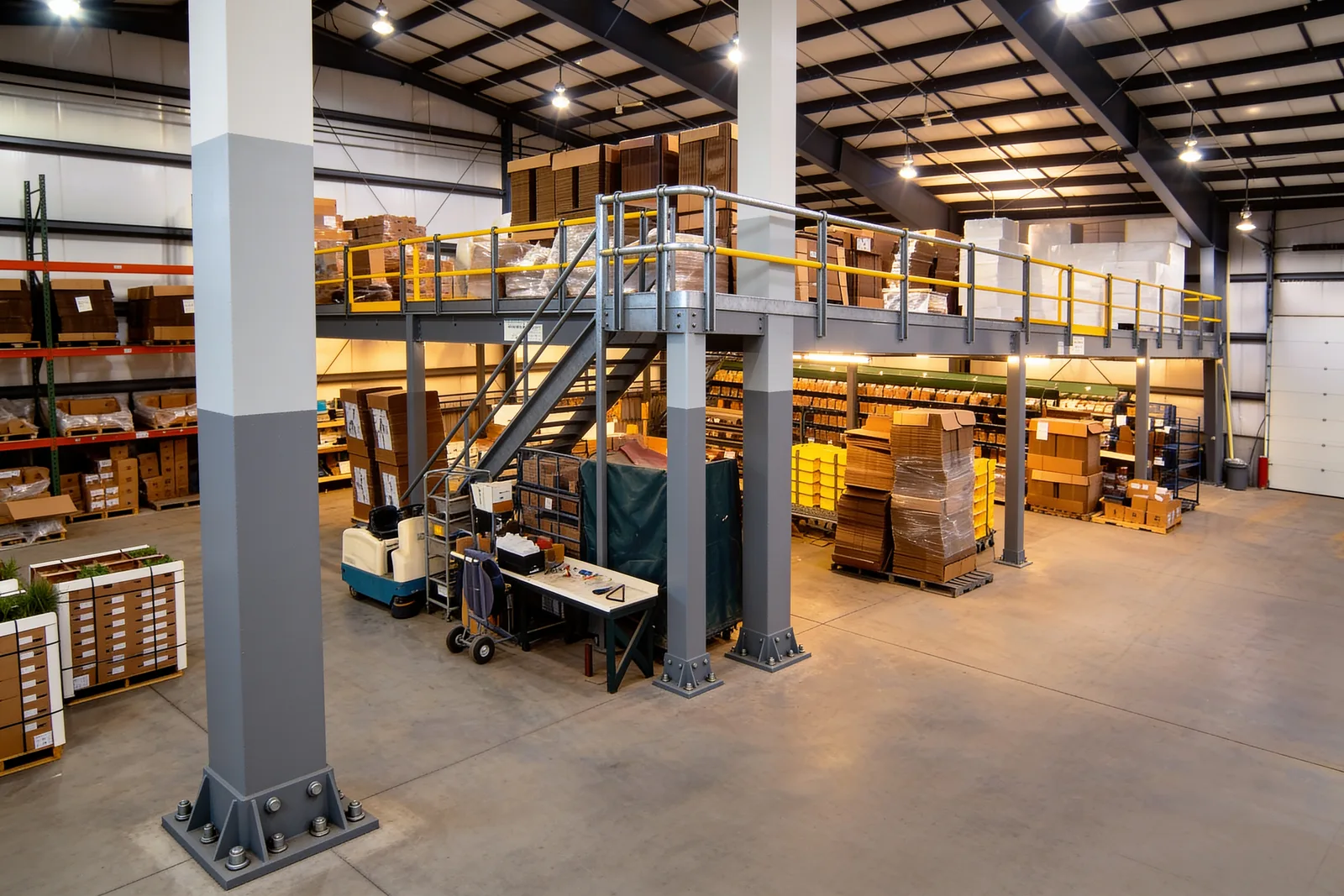
Used is the right call when the stars align — and they often do for simple projects:
- Standard rectangular deck, standard loads, where a listed unit's dimensions genuinely fit your space without modification
- Budget is the binding constraint and a 40–60% materials saving outweighs the engineering add-ons
- Short-horizon need — a lease ending in a few years, where resale/buyback programs make the exit easy
- You have engineering support lined up to stamp, verify the rating, and check the slab
New wins when the mezzanine must fit a designed operation (pick modules, offices, conveyor integration), when loads are unusual, when the building is seismic, or when you're buying the structure for the next twenty years and want someone standing behind it.
The decision in one pass
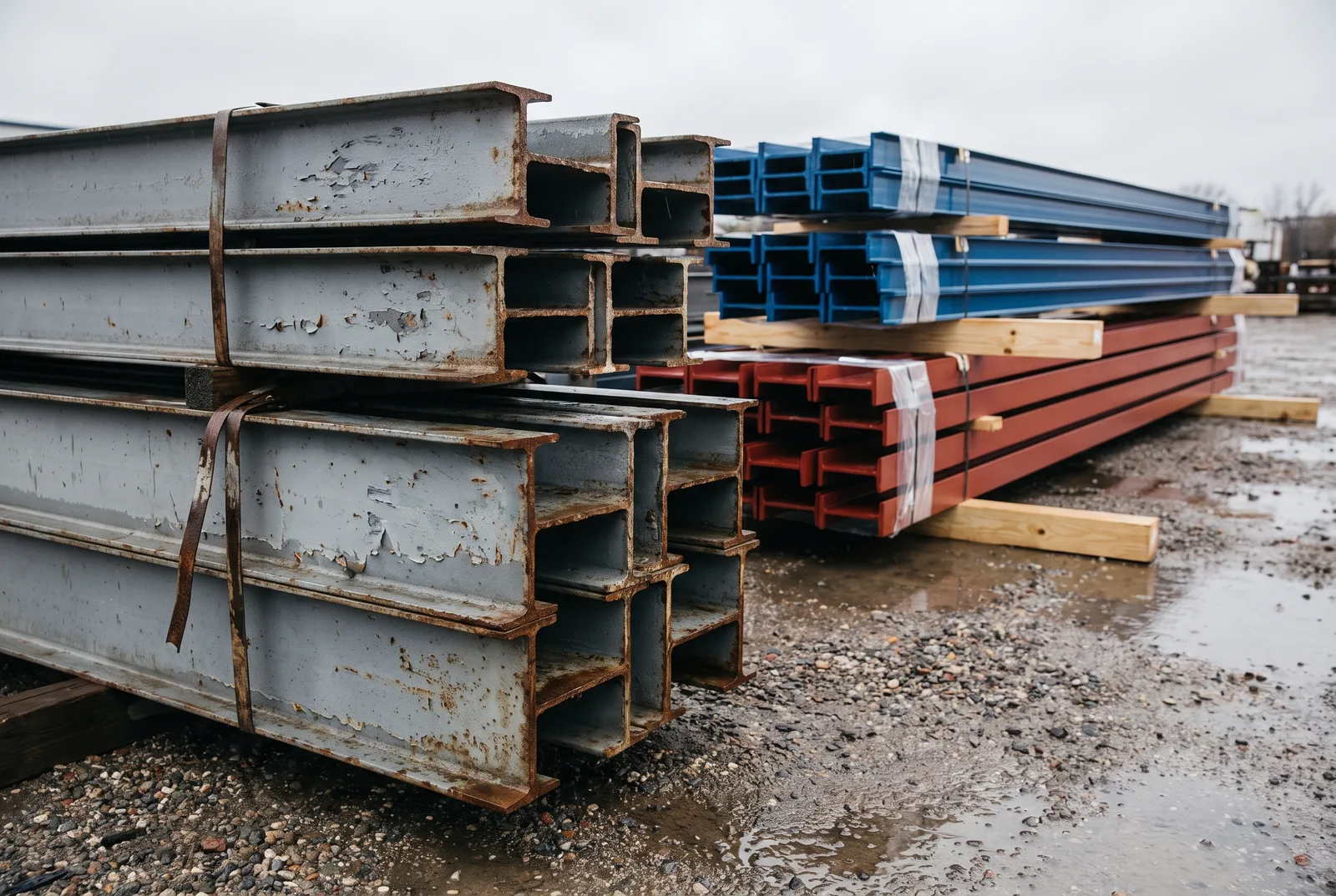
Price the used unit honestly: listing price + stamped engineering ($1,500–2,500) + modifications + freight + install + the same permits as new. Then price new through our cost calculator and compare like for like. If the used total is still 40% under new and the unit fits without surgery — buy it with confidence. If the "savings" have shrunk to 15% on a structure that needs modified columns and new rails, you're paying almost-new money for someone else's design with no warranty.
What to read next
- Mezzanine cost per square foot in 2026 — the new-price baseline for the comparison
- Do you need a permit for a mezzanine? — the process that applies to both paths
- Is my slab strong enough for a mezzanine? — the check used dealers explicitly leave to you
- Mezzanine removal and relocation — the owner-side transaction, and what does not transfer with the steel
Put this guide into practice
Frequently asked questions
- How much cheaper is a used mezzanine?
- Dealer claims range from 40–60% off retail to as much as 80% versus new, and published used structural mezzanine listings run around $25–30 per square foot — against roughly $70 per square foot typical for new. The gap narrows once engineering, modifications, and freight are added.
- Do used mezzanines need permits and engineering?
- Yes. Permits are commonly required regardless of the structure's age — especially in seismic regions — and engineer-stamped drawings for a used mezzanine are an added service averaging $1,500–2,500. The engineer confirms the actual PSF rating and may require changes such as relocating a column.
- Do used mezzanines come with a warranty?
- Generally no. Major used dealers publish inspection assurances rather than warranty terms, and units are sold under condition grades. New mezzanines carry manufacturer warranties — Cogan, our publisher, markets a Limited Lifetime Warranty on structural integrity, whose formal document defines a five-year structural guarantee period with conditions.
- Can a used mezzanine be relocated to my building?
- Usually, if it was a modular free-standing design — those relocate most easily. The published caveats: column layouts must fit your building, moving to a higher seismic zone can require new engineering, and components need inspection for wear, rust, and disassembly damage.
- How fast can a used mezzanine be installed?
- Dealers advertise installation in as little as one day once the unit is on site, since fabrication already happened. New stock programs narrow the gap — in-stock material ships in about a week — but custom new fabrication takes weeks.
Continue planning your mezzanine
All Cost & ROI guides →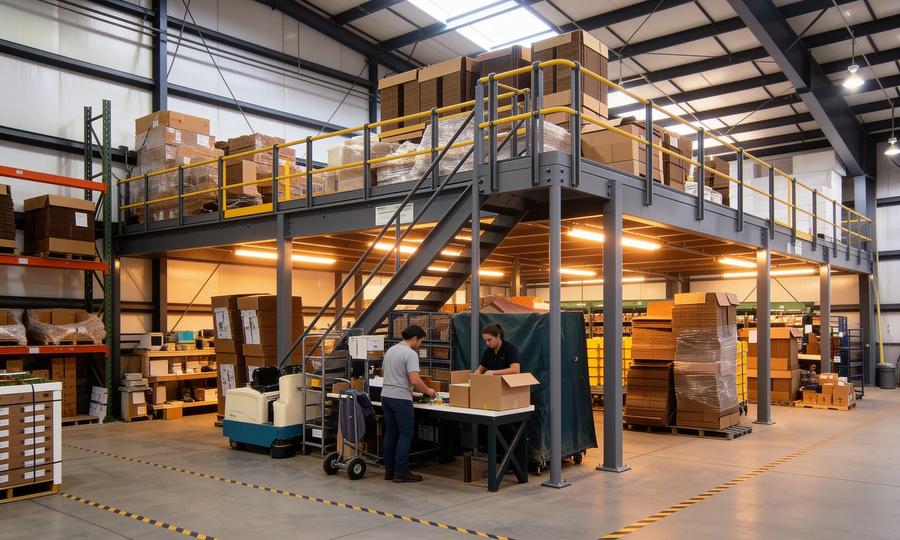
Cost & ROI
2,000 Sq Ft Mezzanine Cost: Budget & Worked Example
Work through a 2,000 sq ft mezzanine budget in USD. See calculator assumptions, itemized costs, exclusions and how a contractor allowance changes the total.
Cost & ROI
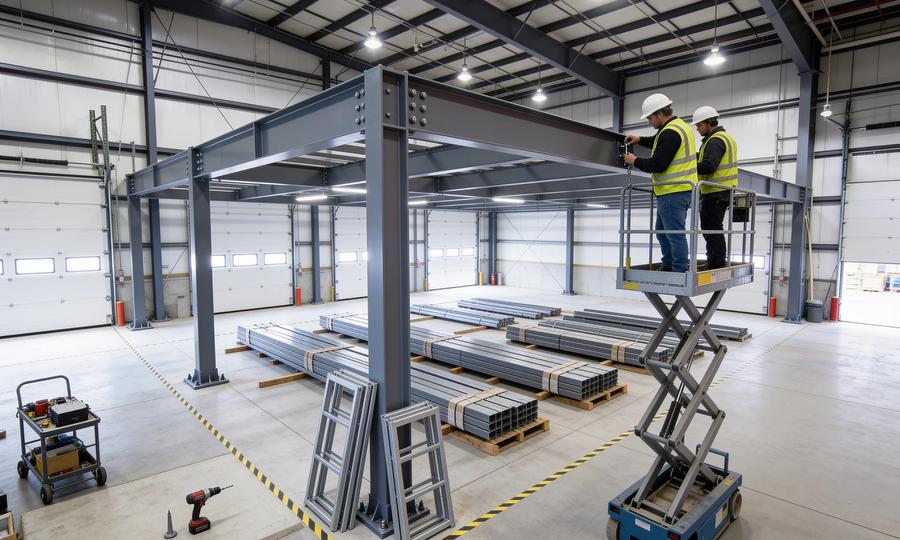
Mezzanine Cost per Square Foot: Budget & Quote Scope
Compare mezzanine cost per square foot by quote scope. See a transparent budget example, identify unpriced site work and prepare comparable supplier proposals.
Cost & ROI
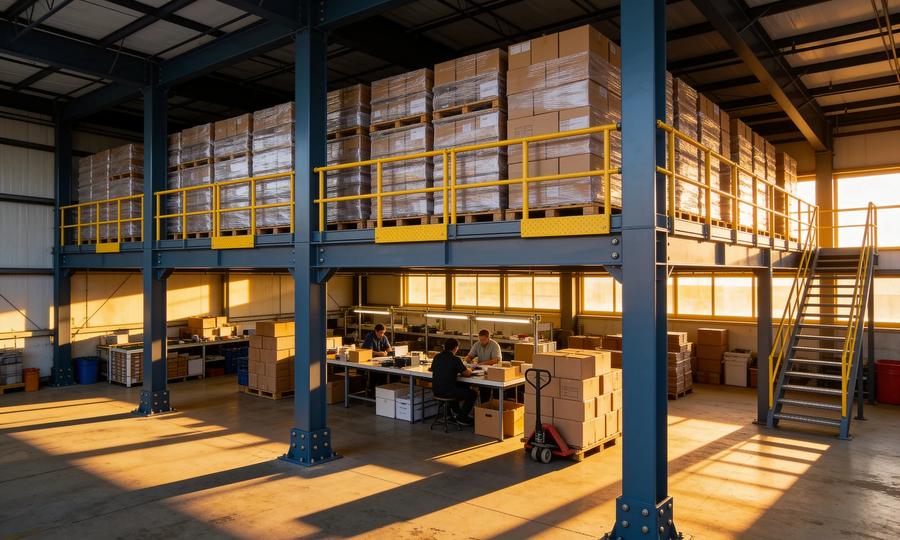
Industrial mezzanine ROI: when does it actually pay back?
An industrial mezzanine costs $50–150 per square foot installed and competes with options that range from $4/sqft/year (lease) to $250/sqft (new construction). Here's how to run the ROI honestly.