
Code & Permits
Mezzanine Fire Rating: What the IBC Actually Requires
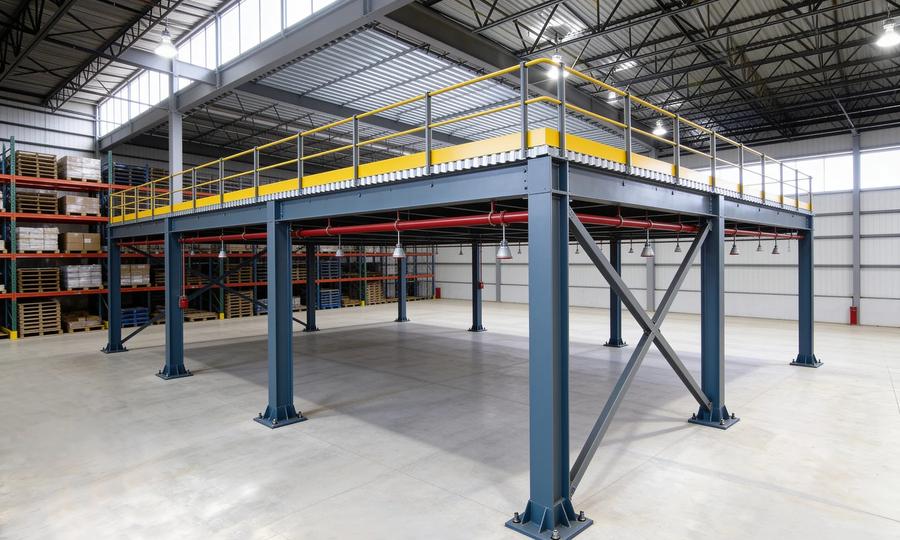
IBC Section 505 sets no fire rating for a mezzanine. The rating comes from Table 601 and the building's construction type: zero hours in Type IIB, up to 2 in Type I.
The rules that decide what you're allowed to build: IBC mezzanine provisions, OSHA requirements, fire sprinklers, stairs and egress — and the permit process, state by state.
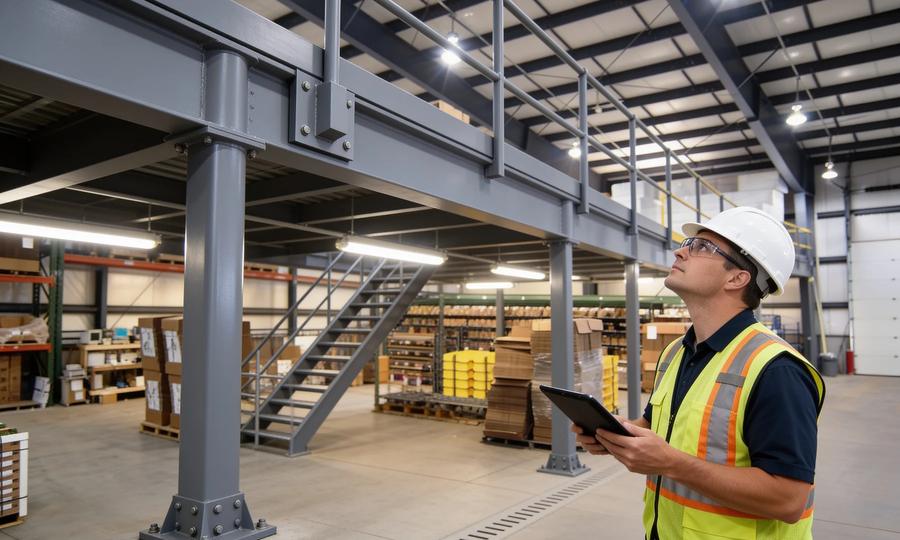
Read the guide to area, clear height, openness and egress.
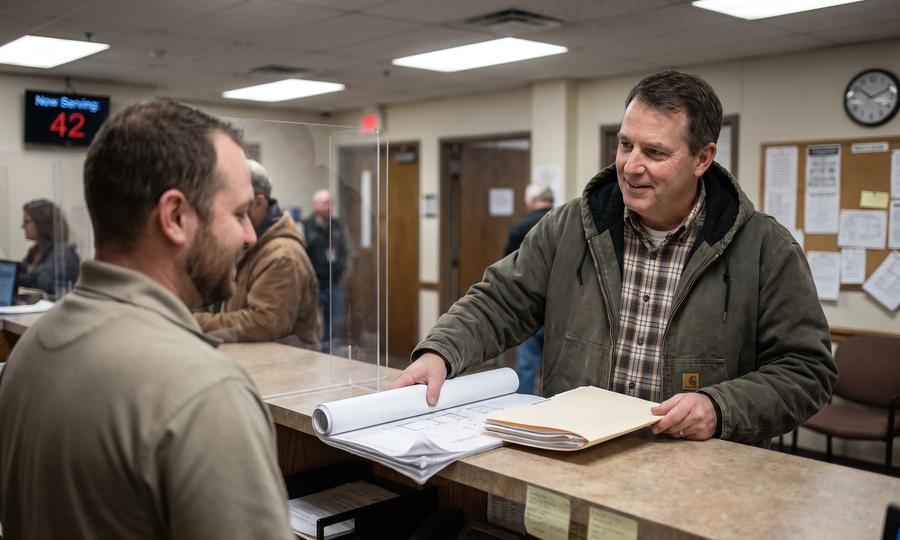
Prepare for the application, drawings and review process.
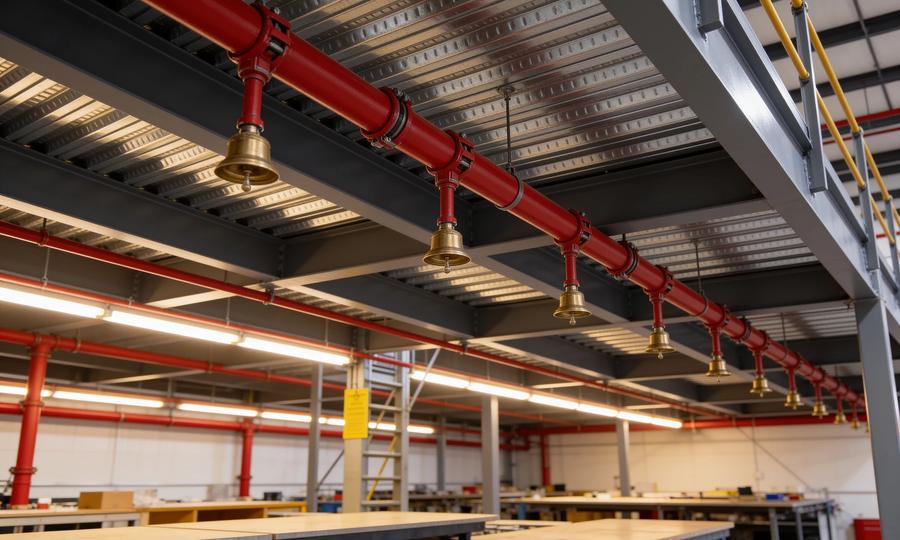
Understand the fire-protection questions to resolve during design.

Code & Permits
IBC Section 505 sets no fire rating for a mezzanine. The rating comes from Table 601 and the building's construction type: zero hours in Type IIB, up to 2 in Type I.

Code & Permits
California's CBC Section 505 matches the IBC word for word. The real differences are in Chapter 11B access, Cal/OSHA Title 8, permits and local rules.

Code & Permits
How the National Building Code of Canada treats a mezzanine: the 40% and 10% rules, 1070 mm guards, provincial codes, Ontario's PSR and engineer seals.

Code & Permits
The ADA and the IBC run separate accessibility tests on a mezzanine and can disagree. The exemptions, work-area rules, ramps, lifts and alteration triggers.

Code & Permits
When a mezzanine needs a second stair: the IBC's occupant-load and common-path triggers, travel distance, exit separation and the OSHA exit-route rules.

Code & Permits
The 2024 IBC gave industrial steel work platforms their own section and design standard, ANSI MH28.3. What that changed, what it didn't, and where it is law.

Code & Permits
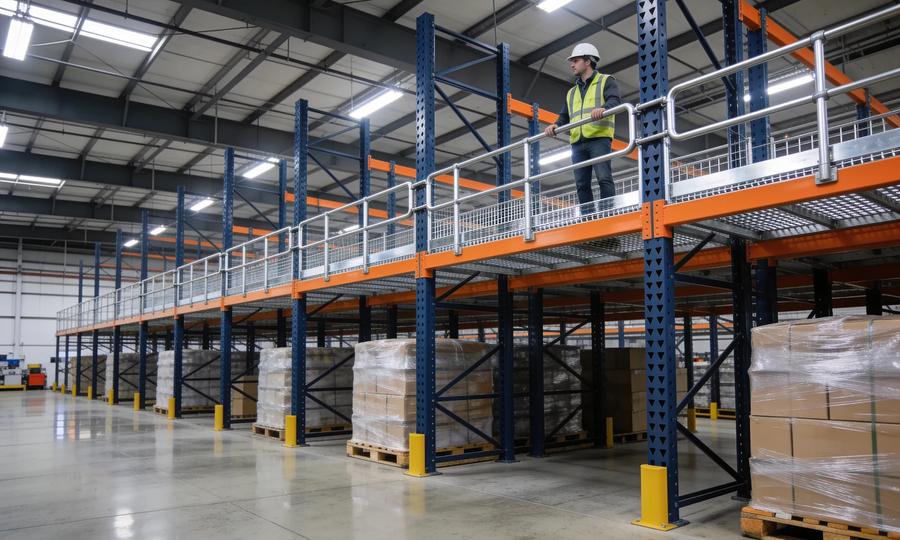
OSHA has no pallet rack inspection standard — but MH16.1 reaches US law through the IBC, and a rack carrying a walkway triggers a mandatory federal duty.

Code & Permits
The IBC wants a guard at 30 inches; OSHA waits until 4 feet. Both say 42 inches tall — then disagree on openings and strength. The exceptions, sourced.

Code & Permits
OSHA does not regulate catwalks as catwalks — it regulates them as runways. That one classification decides the load rating, the guardrails, and whether the stairs count as egress.

Code & Permits
When the racking is the mezzanine, two rulebooks apply at once. The IBC handles the building questions; ANSI/RMI MH16.1 handles the rack structure. Here is exactly how they divide the work.

Code & Permits
A fixed ladder is the cheapest way up to a platform — and usually illegal as the way out of an occupied mezzanine. Here's the exact IBC and OSHA line between ladder, ships ladder, alternating tread device, and stairs.

Code & Permits
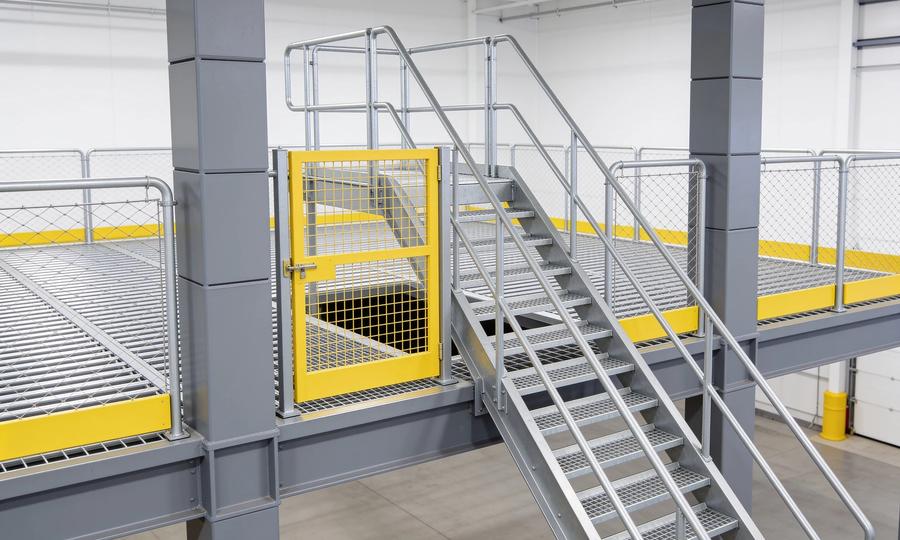
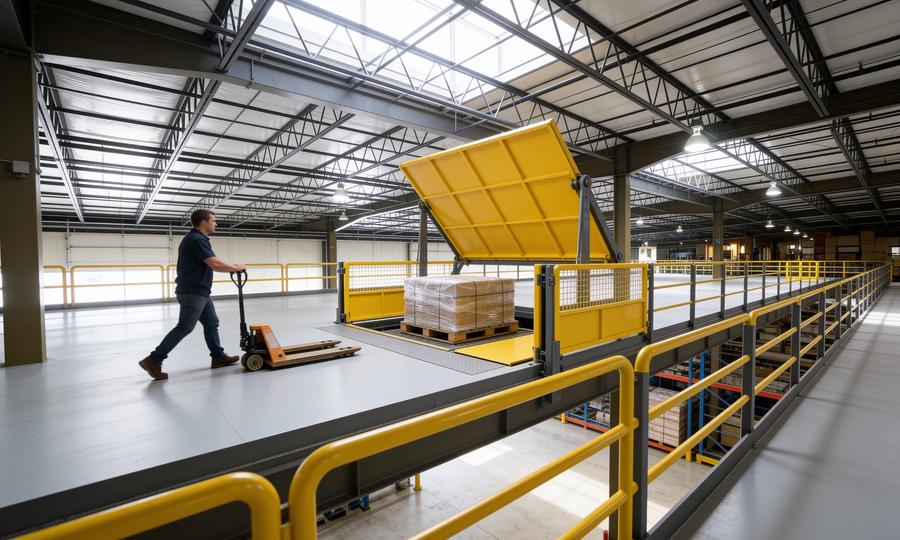
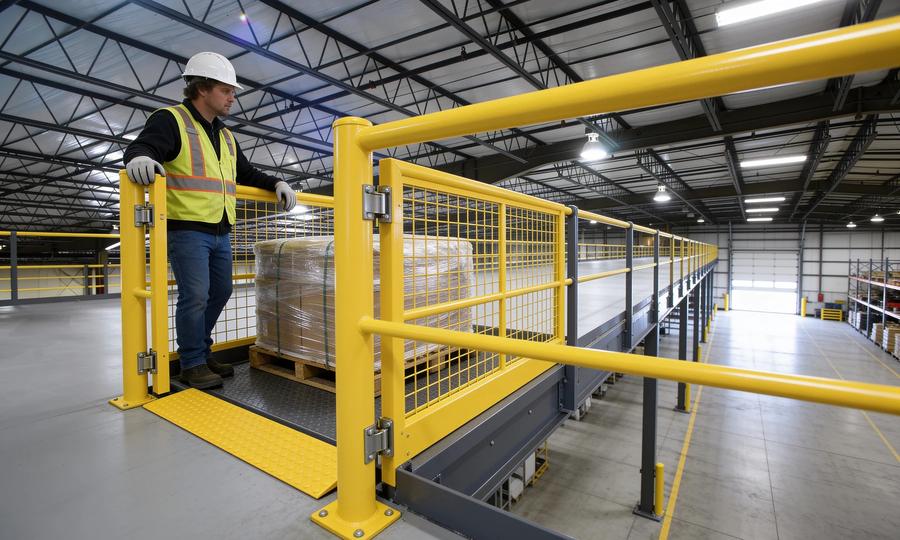
OSHA requires fall protection at every mezzanine edge, and the pallet-drop opening is where it fails most. Gate types compared — swing, sliding, lift-out, pivot — with the ANSI rule that disqualifies half of them, and real prices.

Code & Permits
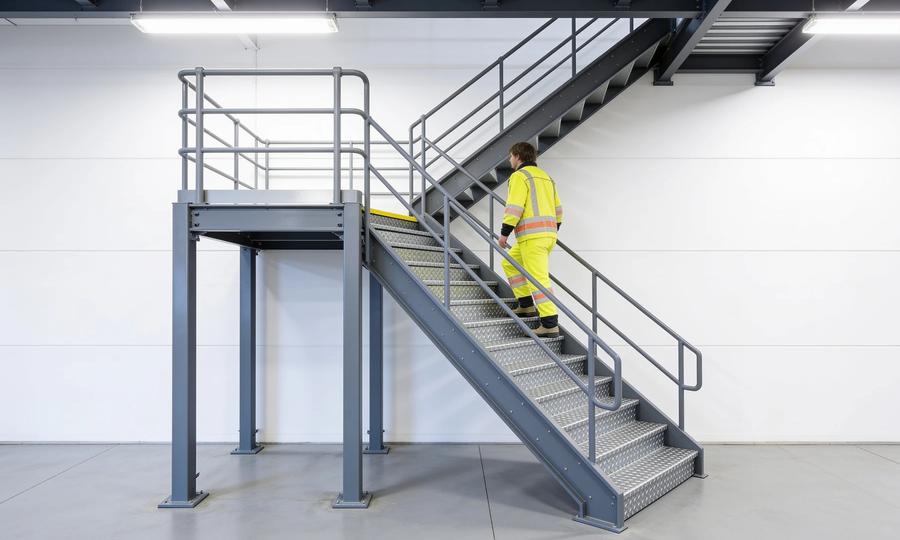
IBC stairs: 7-inch risers, 11-inch treads, 36–44 inches wide. OSHA stairs: up to 9.5-inch risers at up to 50 degrees. Which one your mezzanine needs — and why the answer changes the cost by up to 30%.

Code & Permits
Review mezzanine sprinkler requirements, below-deck obstructions and open grating. Understand the design questions to resolve with your fire-protection team.

Code & Permits
Prepare a mezzanine permit application: drawings, structural review, building codes and inspections. Find state resources and understand the approval process.

Code & Permits
Review IBC mezzanine area, height, openness and egress requirements. Find the related OSHA, sprinkler and permit guides, plus a project planning checklist.

Code & Permits
OSHA 1910.29 sets the federal workplace-safety requirements for every commercial mezzanine. Here's exactly what railings, gates, and egress paths must meet, with the specific numbers.