
Engineering
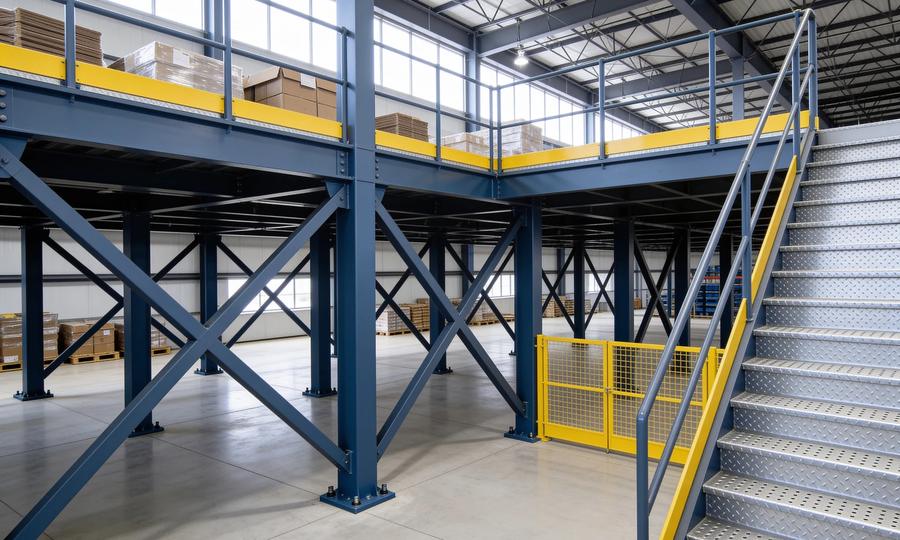
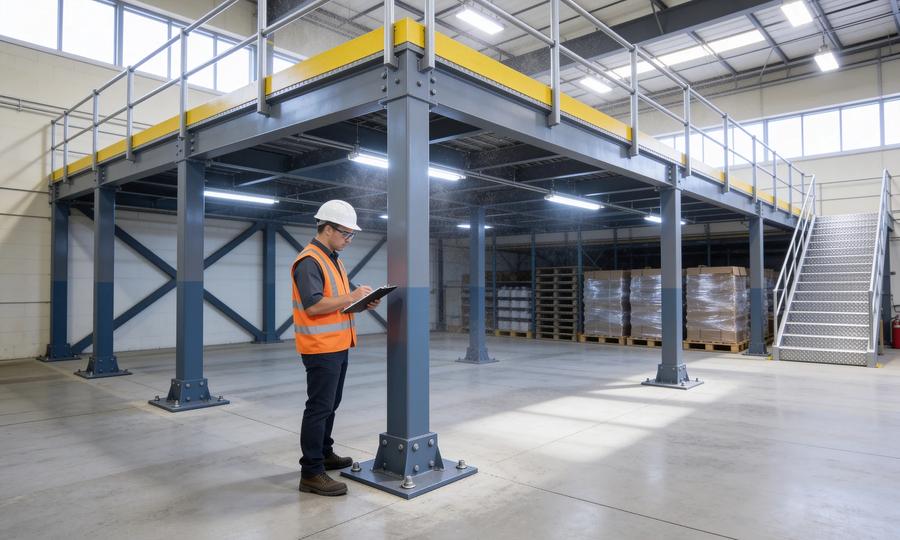
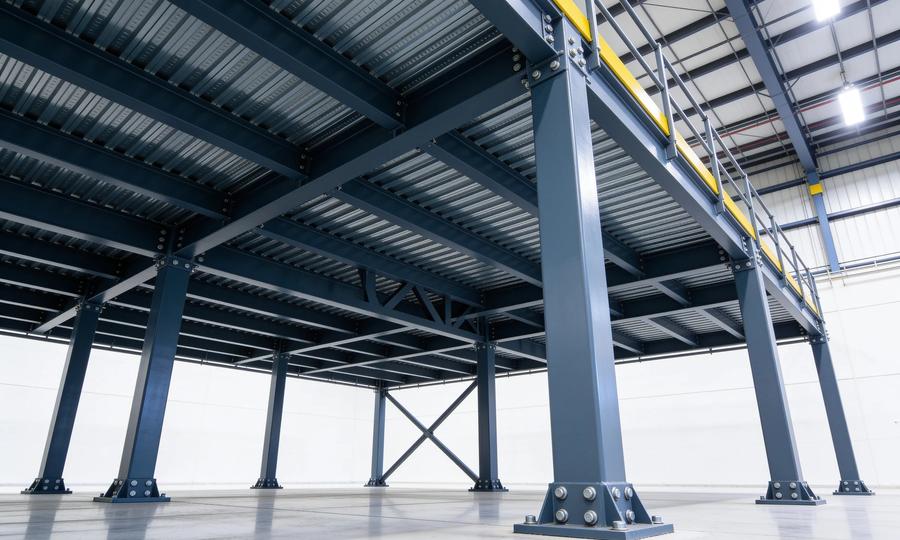
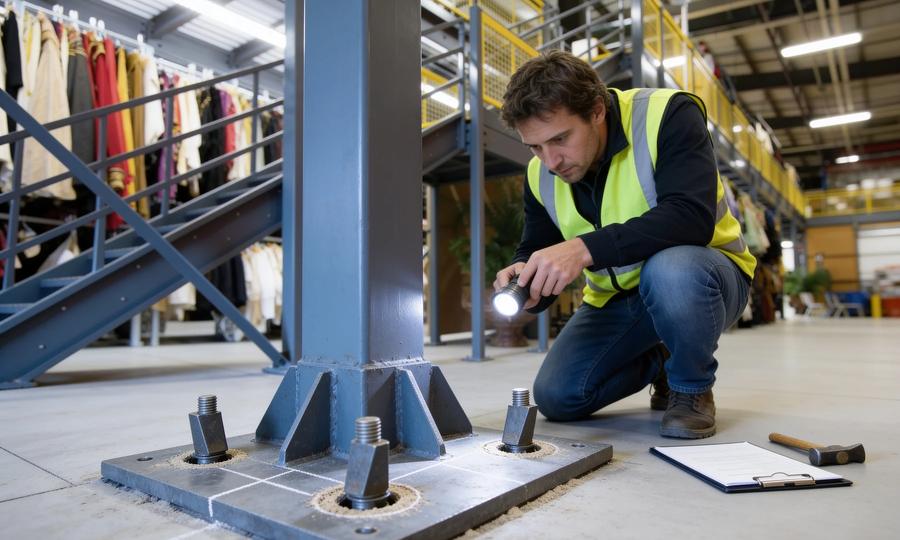
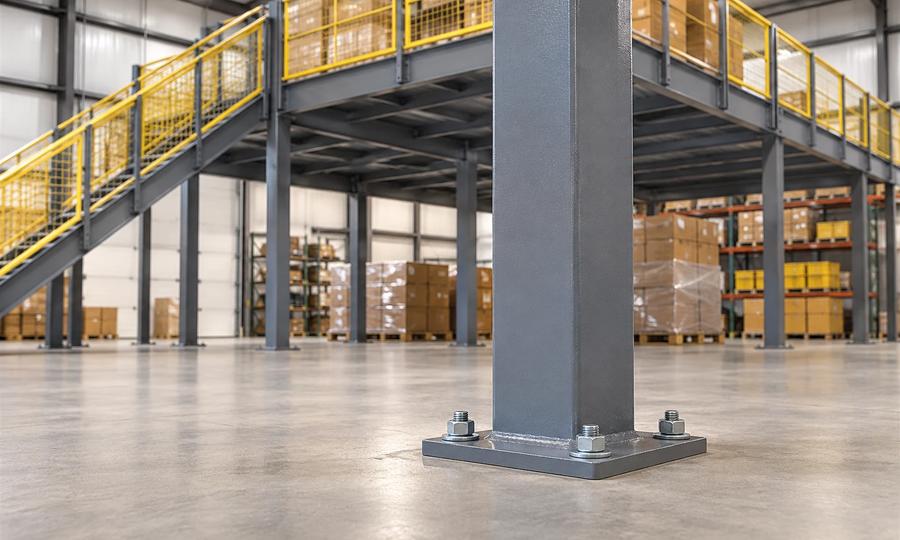
Mezzanine column anchors: cast-in, expansion or adhesive?
Compare mezzanine column anchor options, understand ACI 318 Chapter 17, and check the design, installation and inspection records before accepting the work.
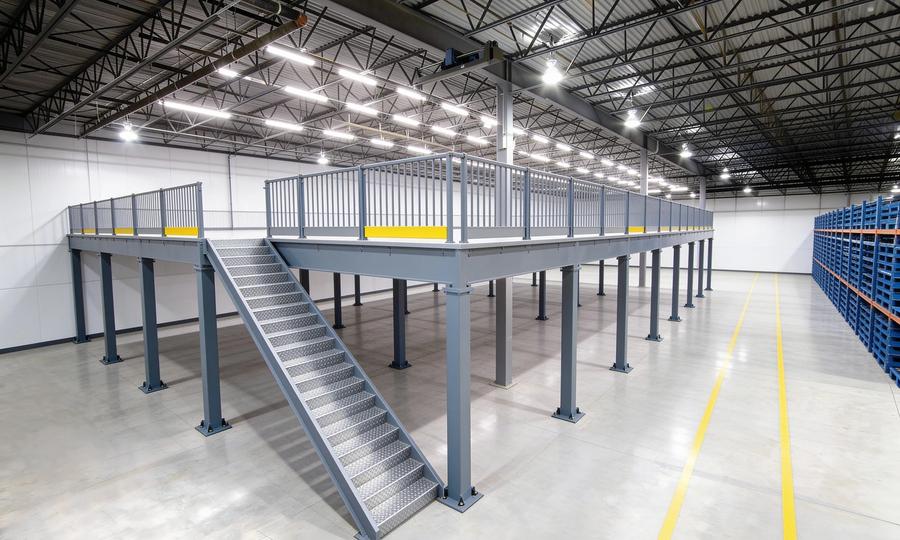
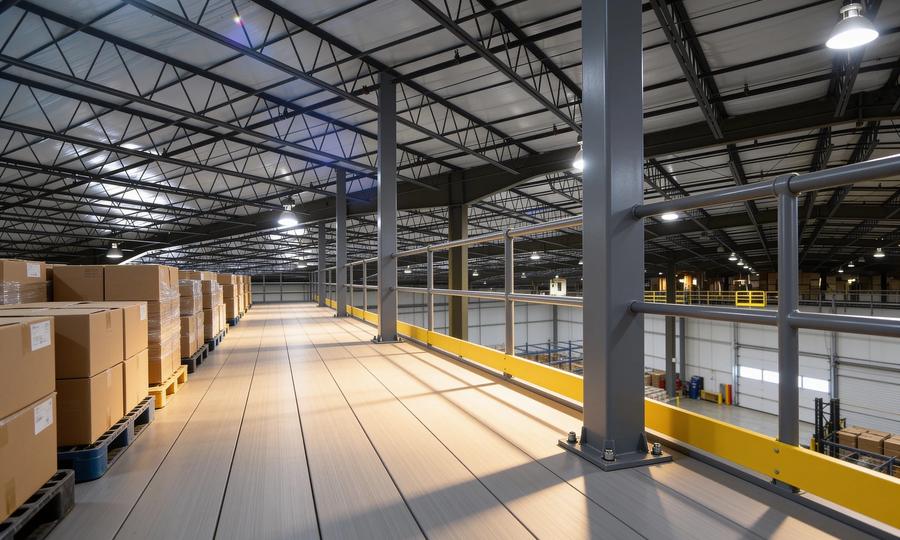
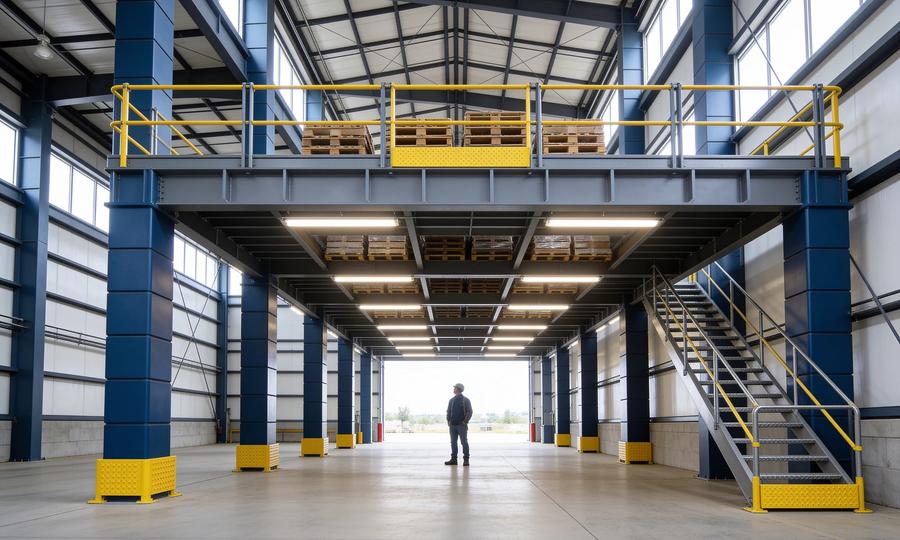
How a mezzanine actually carries its load: capacity classes, decking systems, slab requirements, column spacing, and the design decisions that determine what the platform can do.
Distinguish uniform loads, point loads and equipment loads.
Check headroom, framing depth and equipment clearance.
Specify the deck and finish for storage, carts or automated equipment.

Engineering
Compare mezzanine column anchor options, understand ACI 318 Chapter 17, and check the design, installation and inspection records before accepting the work.

Engineering
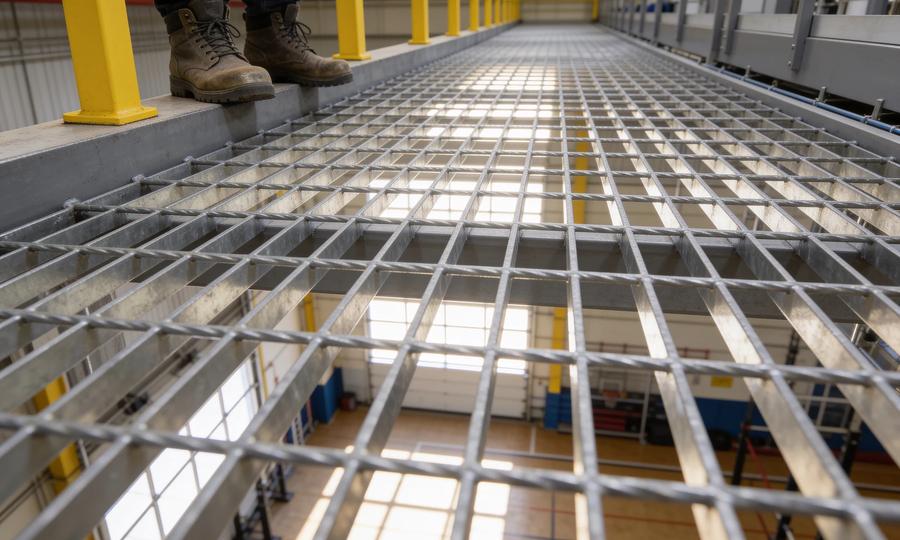
Compare mezzanine decking options for storage and equipment: bar grating, floor panels, steel plate and concrete. Review trade-offs and use the decking selector.

Engineering
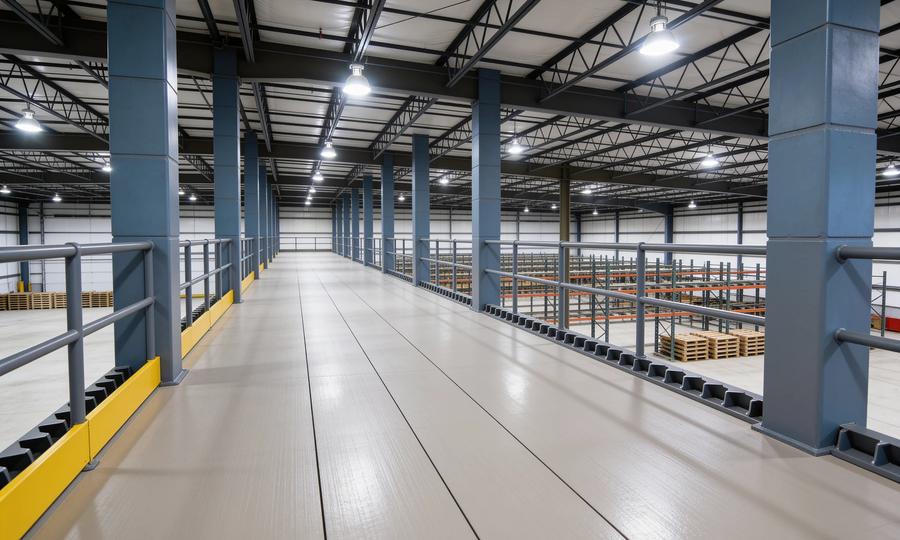
Choose mezzanine flooring for storage, pallet jacks or automation. Review the structural deck, surface finish, rolling loads and the specifications to compare.

Engineering
Specify a concrete mezzanine floor: distinguish form and composite deck, check concrete depth and weight, and coordinate placement, curing and finished loads.

Engineering
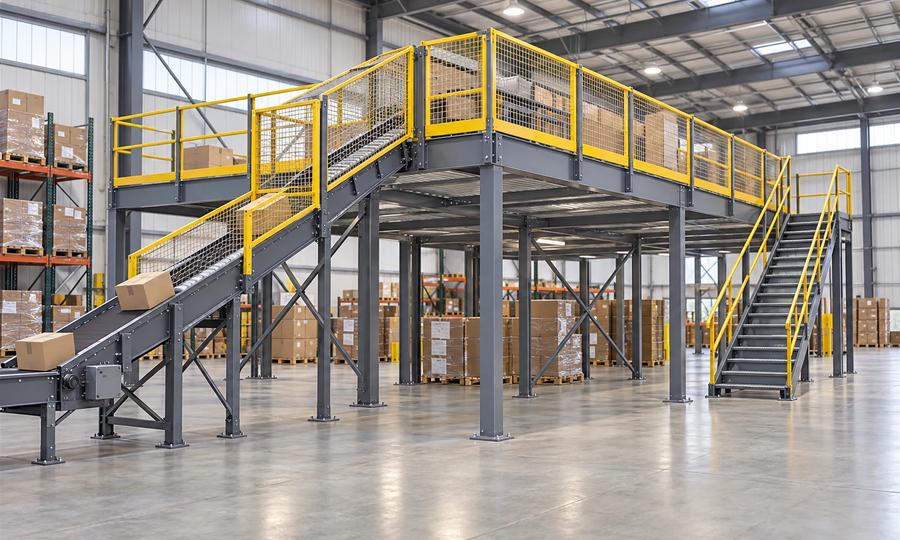
Plan a mezzanine conveyor interface: coordinate floor openings, support loads, guarding, controls and access before approving the layout or cutting the deck.

Engineering
Understand mezzanine PSF ratings, uniform live loads and point loads. Use documented ratings, prepare a load brief and avoid unsupported capacity assumptions.

Engineering
Compare mezzanine lifts and vertical reciprocating conveyors. Learn what to specify for material loads, landings, workflow, installed scope and local approvals.

Engineering
How seismic design category, bracing system, storage weight and special inspection change a steel mezzanine from one address to the next, per the IBC and ASCE 7.

Engineering
OSHA's entire mezzanine inspection duty is one sentence, and it sets no interval. What the law requires, and the sourced criteria that decide pass or fail.

Engineering
The one-third rule, the openness exception that lets you enclose offices, and the exits, stair run and accessible route a reviewer checks on a mezzanine plan.

Engineering
ResinDek is an engineered wood fiber composite, not structural OSB — and its load tables carry footnotes that change the numbers. What the specs say, and where steel still wins.

Engineering
Strength is rarely what sizes a mezzanine beam. Deflection limits, a vibration criterion the IBC never mentions, and the load schedule the code demands do.

Engineering
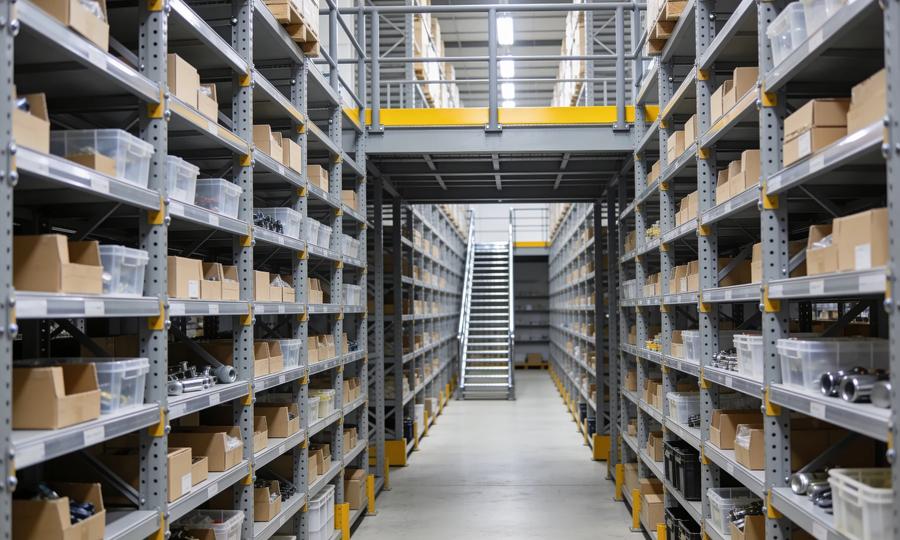
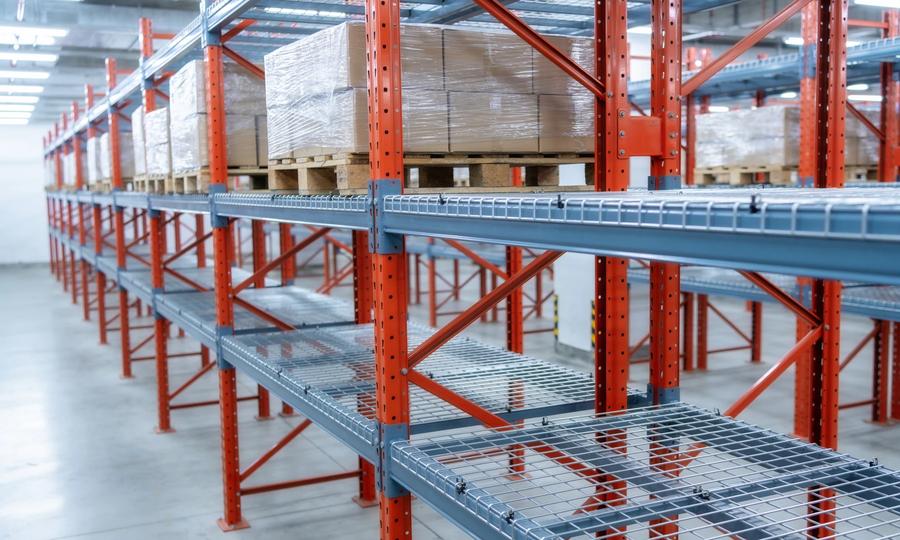
A shelving-supported mezzanine is a shelving system carrying a floor. The catwalk load adds to the shelf loads on the same post — here is the arithmetic and the standard.

Engineering
Wire mesh decking is rated by a rule most buyers never see, and its real advantage is a fire-code definition. Here are the standards, the specs, and the limits.

Engineering
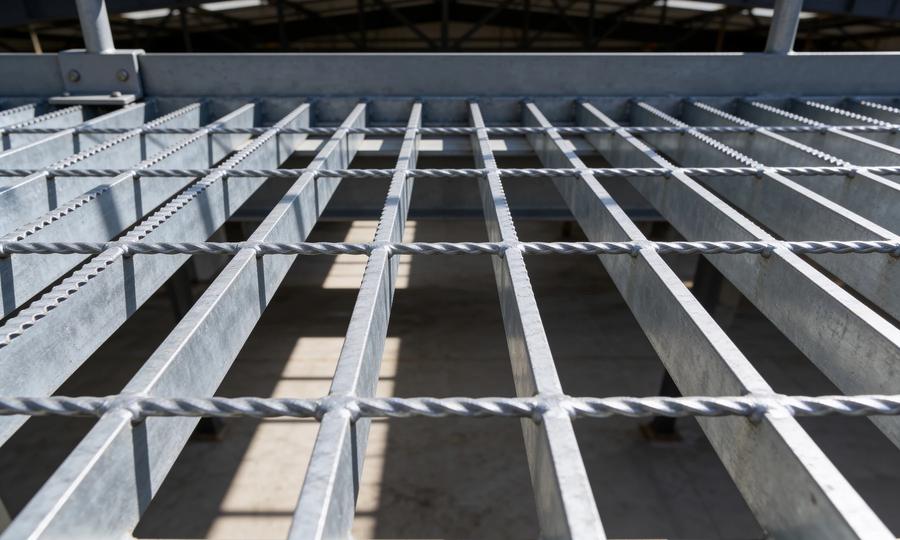
Steel bar grating decks a mezzanine at 7–14 psf dead load while carrying hundreds of psf live — and lets light, air, and sprinkler spray through. The NAAMM specs, real load-table numbers, the ADA catch, and when grating beats a solid deck.

Engineering
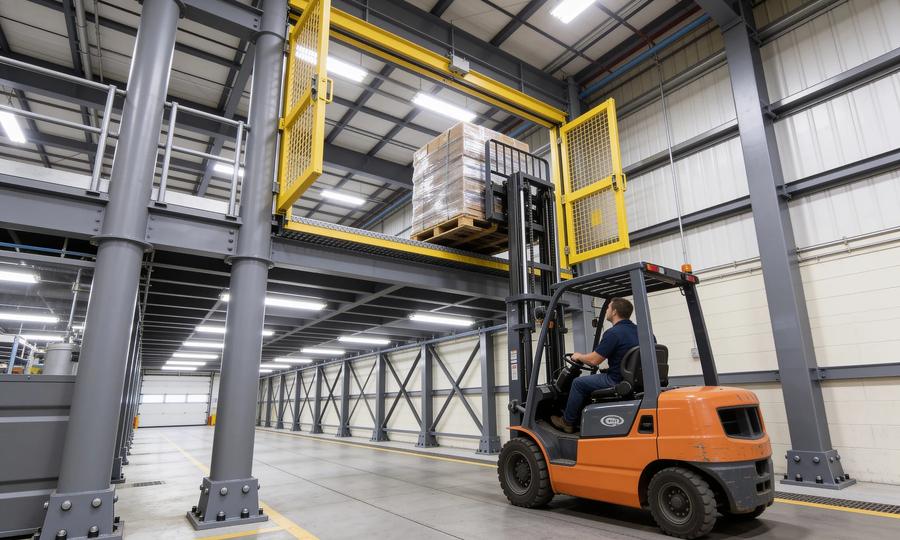
A mezzanine rated 125 psf can still fail under one forklift wheel. Why concentrated wheel loads — not the PSF average — govern, which decks take forklift traffic, and how ramps and VRCs get the truck up there safely.

Engineering
Nearly every industrial mezzanine is steel — but 'steel' spans two different framing systems with different spans, loads, and prices. Cold-formed vs structural, the actual steel grades, finishes, fire rules, and sustainability numbers.

Engineering
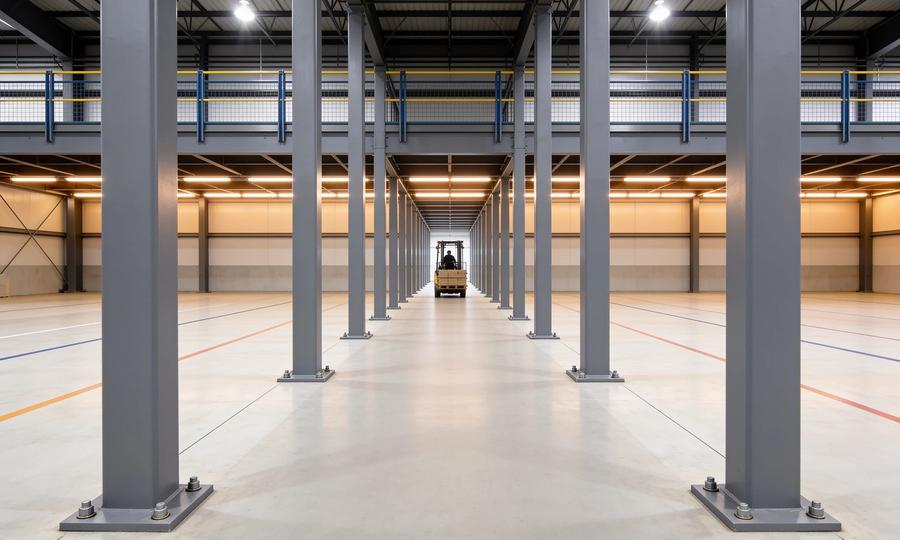
Mezzanine columns typically land on 8–25 ft grids, with 14×14 ft the largest standard spacing at 125 psf and clear spans to 40 ft possible. How the grid, bracing, and forklift aisles get reconciled.

Engineering
Work through mezzanine ceiling height requirements, clear headroom and framing depth. Check sprinkler obstructions and forklift clearance before planning.

Engineering
A typical 6-inch warehouse slab carries roughly 25,000 lb per mezzanine column — but soil conditions can cut that by more than half. How slab checks work, what testing costs, and when you need footings.

Engineering
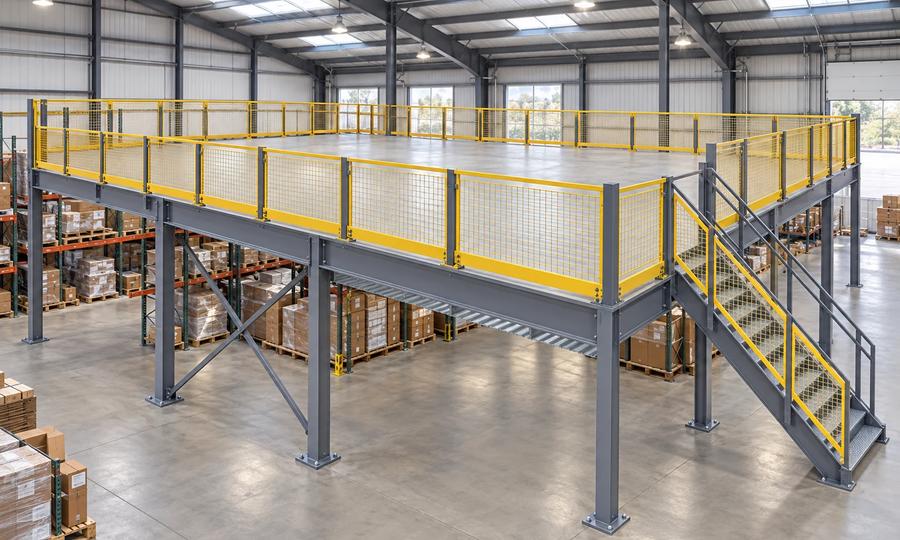
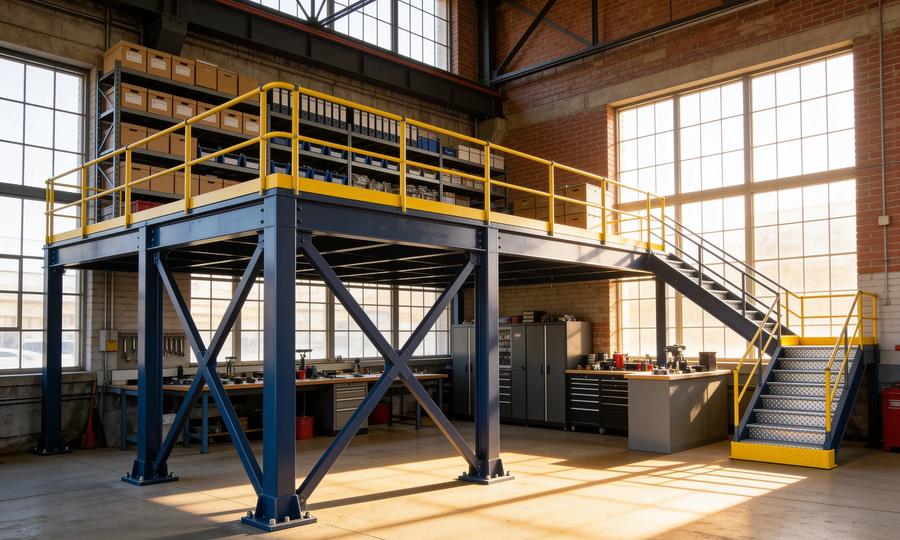
The three structural types of industrial mezzanine — free-standing, rack-supported, and structural — solve different problems. Here's how to pick the right one based on use case, flexibility, cost, and code path.